

Right then, if you’re doing any building or fixing up near the coast in the UK, you’ve probably wondered about what sort of screws and bolts to use. It’s a bit of a minefield, isn’t it? You’ve got your shiny stainless steel ones and then the ones with that sort of dull grey coating, the galvanised ones. They both look like they’ll do the job, but when you’re dealing with salty air and damp conditions, picking the wrong one can lead to a right mess down the line. We’ll sort out the difference between stainless steel vs galvanised fasteners UK, so you can pick the best for your project.
Key Takeaways
- For the South West coast, where salt is everywhere, A4 stainless steel is your best bet. It’s made to handle that salty air and sea spray without rusting.
- Galvanised fasteners have a zinc coating that stops rust, but it can wear off, especially near the sea. They’re okay for places a bit more sheltered from the direct salty stuff.
- A2 stainless steel is good for general outdoor jobs inland, but it’s not tough enough for constant salty exposure like you get on the coast.
- While galvanised fasteners are cheaper to buy at first, they might end up costing you more in the long run if they rust and need replacing sooner than stainless steel.
- Always check the grade of stainless steel (A2 or A4) and consider how much salt and damp your project will actually face before you buy.
Understanding Fastener Corrosion Resistance
The Threat of Coastal Environments
Living or working near the coast in the UK means dealing with a particularly aggressive environment for metal fixings. The constant presence of salt spray, carried inland by the wind, is a major culprit. This salty air, combined with high humidity and often industrial pollution, creates a potent mix that can rapidly attack unprotected metal. Think of it like a constant, gentle bath in brine for your screws, bolts, and nuts. Over time, this leads to rust and degradation, weakening the fastener and potentially compromising the integrity of whatever it’s holding together. It’s not just about aesthetics; a corroded fastener can fail, leading to costly repairs or safety issues.
Galvanised Steel: A Protective Zinc Barrier
Galvanised steel fasteners have a layer of zinc applied to them, usually through a process called hot-dip galvanising. This zinc coating acts as a sacrificial barrier. What does that mean? Well, the zinc is more reactive than the steel underneath. So, when corrosive elements like salt and moisture come into play, it’s the zinc that corrodes first, protecting the steel. It’s a bit like having a bodyguard for your fastener. This method is pretty common and offers a decent level of protection, especially in less extreme conditions. However, the effectiveness can be reduced if the coating gets damaged, exposing the steel.
Stainless Steel: Superior Defence Against Salt
Stainless steel takes corrosion resistance to another level. Unlike galvanised steel, where a coating provides protection, stainless steel has its resistance built right into its composition. It’s an alloy, primarily iron and chromium, and the chromium forms a thin, invisible layer of chromium oxide on the surface. This layer is incredibly stable and self-healing; if it gets scratched, it reforms almost instantly. This makes stainless steel fasteners exceptionally good at withstanding the harsh, salty conditions found along the coast. It’s a more robust solution for long-term durability in these challenging environments.
Key Differences: Stainless Steel vs Galvanised Fasteners UK
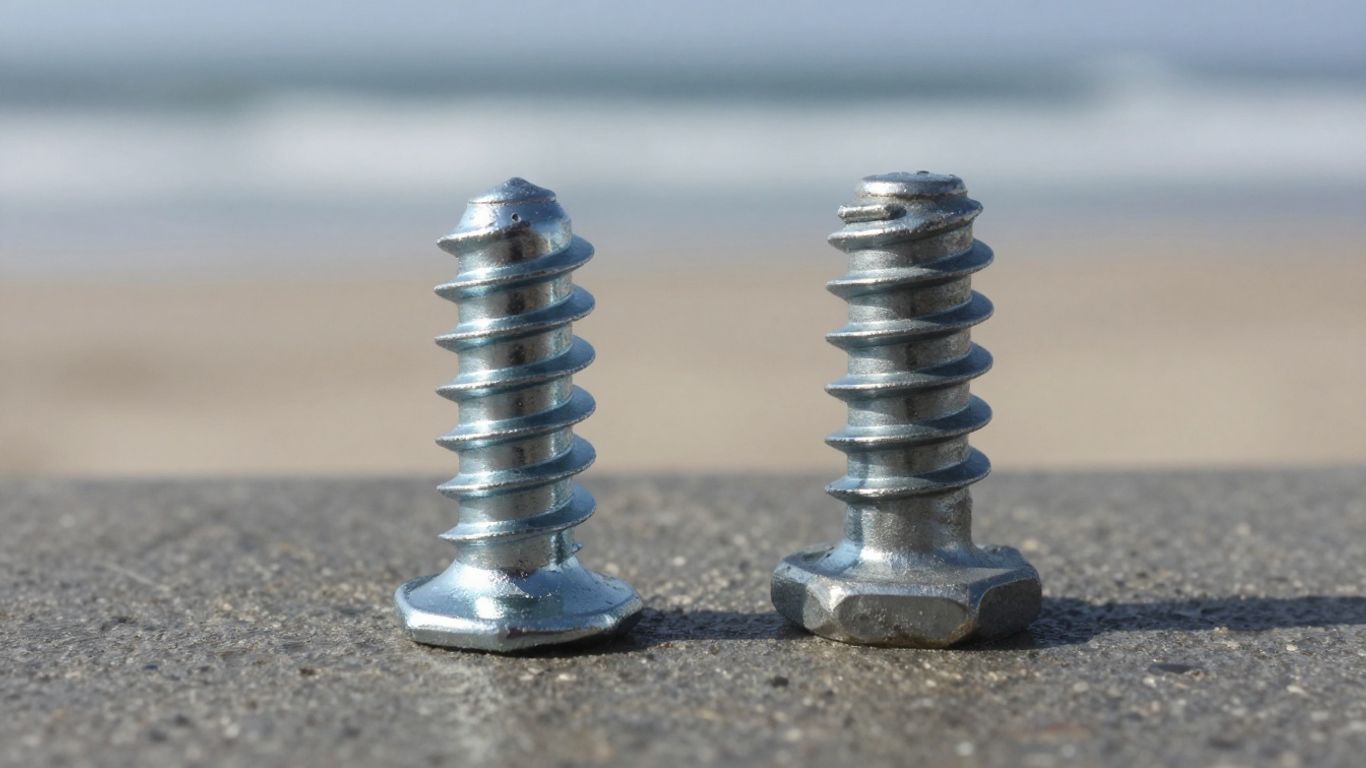
Right then, let’s get down to brass tacks about what actually separates stainless steel and galvanised fasteners, especially when you’re dealing with our lovely, salty UK coast. It’s not just about how they look, but how they stand up to the elements over time. Choosing the wrong one can mean a project that looks a bit sad after a couple of years, or worse, starts to fall apart.
Material Composition and Properties
Galvanised fasteners start life as regular steel, which is then dipped in molten zinc. This zinc coating acts as a sacrificial barrier; it corrodes instead of the steel underneath. It’s a decent bit of protection, especially for general use. Stainless steel, on the other hand, is an alloy. The most common grades for fasteners, like A2 and A4, have chromium and nickel mixed in. This creates a passive oxide layer on the surface that heals itself if scratched, offering a more robust defence against corrosion.
Durability in Harsh Conditions
When we talk about harsh conditions, we’re mostly thinking about salt spray, sea air, and general dampness. Galvanised steel can cope, but its zinc coating can wear away, especially with constant exposure to salt. Once that coating is gone, the underlying steel is vulnerable. Stainless steel, particularly the A4 grade (often called marine grade), is designed for this. Its alloy composition means it resists pitting and corrosion much better, even when directly hit by saltwater. For coastal environments, stainless steel generally offers superior long-term durability.
Cost Implications for Long-Term Value
Let’s be honest, cost is always a factor. Galvanised fasteners are usually cheaper to buy upfront. This makes them tempting for budget-conscious projects. However, if you’re near the coast, you might find yourself replacing galvanised fixings sooner than you’d like due to corrosion. Stainless steel fasteners, especially A4, have a higher initial price tag. But when you factor in their extended lifespan and reduced need for replacement or repair in corrosive environments, they often work out more cost-effective over the life of your project. It’s a classic case of paying a bit more now to save a lot later.
Here’s a quick rundown:
- Galvanised Steel: Cheaper initial cost, good for sheltered areas, zinc coating can degrade over time.
- Stainless Steel (A2): Mid-range cost, good general corrosion resistance, suitable for less extreme coastal exposure.
- Stainless Steel (A4): Higher initial cost, excellent marine and coastal corrosion resistance, best for direct saltwater exposure.
When you’re working on a project that’s going to be exposed to the elements, especially the salty air we get around here, thinking about the fastener’s material is really important. It’s not just about getting something that holds bits together; it’s about making sure it keeps holding them together for years to come without looking like a rusty mess.
Choosing the Right Stainless Steel Grade
Right then, let’s talk about picking the correct stainless steel for your project, especially when you’re dealing with salty air. It’s not just about grabbing any shiny bolt; the grade really does make a difference in how long things stay put and looking good. Get it wrong, and you could be looking at rust patches and wobbly bits sooner than you’d like.
A2 Stainless Steel: General Purpose Applications
Think of A2 stainless steel as your everyday hero. It’s the most common type you’ll come across, and for good reason. It’s made up of about 18% chromium and 8% nickel, which gives it a decent protective layer against rust. This makes it perfectly fine for most jobs around the house, in the garden, or for general building work. It handles normal weather pretty well, so if you’re building a shed a good few miles inland, or putting up some shelves inside, A2 is usually more than up to the task. It’s also non-magnetic most of the time, which is handy if you’re doing any decorative metalwork where you don’t want things sticking to your fixings.
A4 Stainless Steel: Marine and Coastal Excellence
Now, when things get a bit more serious, like being right on the coast or near industrial areas, A4 stainless steel steps in. This is the stuff you want when salt spray is a regular visitor. The big difference here is that A4 has a bit of molybdenum added to the mix. This extra ingredient makes it much tougher against chlorides – that’s the nasty stuff in saltwater and de-icing salts that can really eat away at metal. So, if your project involves boats, piers, coastal fencing, or anything that’s going to get a constant dousing of salty air, A4 is the way to go. It’s sometimes called ‘marine grade’ for this very reason. It costs a bit more than A2, but for peace of mind in harsh environments, it’s usually worth every penny.
Identifying Fastener Grades
Spotting the difference between A2 and A4 just by looking at them can be tricky; they look pretty much identical. This is why it’s so important to check the packaging or ask the supplier. Often, fasteners will have a marking on the head, but this isn’t always the case, especially with smaller items. Here’s a quick rundown:
- A2 Stainless Steel: Good for general use, indoors and outdoors away from direct salt exposure. Think of it as your standard, reliable choice.
- A4 Stainless Steel: The premium option for coastal, marine, or heavily industrial areas. It’s got that extra resistance to salt and chemicals thanks to molybdenum.
When you’re choosing, don’t just go for the cheapest option. Think about how long you want your project to last and what the conditions will be like. Spending a little extra on A4 stainless steel for a coastal build can save you a lot of hassle and money on repairs down the line. It’s about getting the right material for the job, plain and simple.
It’s a bit like choosing the right paint for your house; you wouldn’t use interior emulsion on a damp, salty sea wall, would you? Same principle applies here. Match the fastener to the environment, and you’ll be much happier with the results.
Galvanised Fasteners: When Are They Suitable?
Right then, let’s talk about galvanised fasteners. These are basically steel bolts, screws, and nuts that have been dipped in molten zinc. This zinc coating acts like a sacrificial shield, meaning it corrodes before the steel underneath does. It’s a pretty common and cost-effective way to give steel a fighting chance against the elements.
So, when does this zinc barrier do a decent job? Think of areas that aren’t constantly battered by salty air or drenched in seawater. For instance, if you’re building a garden shed a good distance inland, or perhaps putting up some fencing in a sheltered garden, galvanised might be perfectly fine. They offer a good level of protection for general outdoor use where the exposure to harsh conditions is limited.
Cost-Effective Solutions for Sheltered Areas
Galvanised fasteners are definitely easier on the wallet compared to their stainless steel counterparts. This makes them a popular choice for projects where budget is a big consideration, and the environment isn’t overly aggressive. You get a decent amount of protection for your money, which is a win-win for many DIYers and builders.
Limitations in Saltwater Exposure
Now, here’s the catch. That zinc coating, while helpful, isn’t invincible. In environments with high salt content, like right on the coast or near the sea, the zinc gets used up much faster. Once the zinc is gone, the underlying steel is exposed and will start to rust. So, if your project is going to be within sniffing distance of the sea, or constantly splashed by waves, galvanised fasteners are probably not your best bet. They just can’t stand up to that level of sustained salt attack.
Potential for Coating Degradation
Even in less extreme conditions, the galvanised coating can degrade over time. Scratches, impacts, or even just prolonged exposure to moisture can wear down the zinc layer. This leaves the steel vulnerable. It’s a bit like a shield that gets chipped away with every knock it takes. For critical structural components or projects you want to last for decades with minimal fuss, you might find yourself replacing galvanised fasteners sooner than you’d like.
Here’s a quick rundown:
- Best for: Sheltered outdoor areas, general garden projects, inland construction.
- Good for: Areas with occasional dampness but low salt exposure.
- Avoid for: Direct saltwater contact, highly corrosive industrial areas, projects needing extreme longevity without maintenance.
While galvanised fasteners offer a budget-friendly way to protect against rust, their effectiveness is significantly reduced in environments with high salinity or constant moisture. The zinc coating provides a good initial defence, but it’s a finite resource that wears away over time, especially when exposed to aggressive elements like sea salt.
Making the Informed Decision for Your Project
Right then, choosing the right bits and bobs for your project, especially when you’re near the sea, can feel a bit like a minefield. It’s not just about grabbing whatever looks shiny, is it? You’ve got to think about what’s going to last and not end up looking like a rusty mess after a year. Let’s break down how to pick the best fasteners for your specific situation.
Assessing Environmental Exposure
First off, have a good look at where your project is going to live. Is it right on the front line, getting battered by salty spray every day? Or is it a bit further back, maybe sheltered by a few dunes or buildings? This is probably the most important question you can ask yourself. If you’re constantly dealing with salt and damp, you’ll need something tougher than if it’s just a bit of occasional sea air.
- Direct Saltwater Exposure: Constant contact with sea spray, tidal zones, or areas prone to flooding. This is the harshest environment.
- Coastal Proximity (Sheltered): Located near the coast but protected from direct spray by natural or man-made barriers. Still exposed to salt-laden air.
- Inland/General Outdoor Use: Minimal exposure to salt, primarily dealing with general weather conditions.
Balancing Initial Cost with Lifespan
Nobody likes spending more than they have to, but sometimes paying a bit extra upfront saves you a heap of bother and cash down the line. Think about it: a cheaper fastener might fail after a few years, meaning you have to replace it, and maybe even the thing it was holding together. That’s a false economy, isn’t it?
While galvanised fasteners might seem like the budget-friendly option initially, especially for less demanding spots, their lifespan in a truly coastal environment can be significantly shorter. Stainless steel, particularly the higher grades, often represents a better long-term investment due to its superior resistance to corrosion, meaning fewer replacements and less maintenance over the years.
Strength Requirements for Your Application
Beyond just rust, you need to consider how much load your fasteners will be under. Are you building a sturdy deck that needs to take weight, or are you just putting up a lightweight fence panel? Different materials and grades have different strengths. While we’ve been talking a lot about corrosion, don’t forget about the basic job the fastener has to do – holding things together securely. For most general outdoor jobs, both good quality galvanised and A2 stainless steel will be strong enough, but if you’re dealing with serious structural loads in a harsh environment, you might need to look at A4 stainless steel or even specific high-strength alloys.
Maintaining Your Fasteners for Longevity
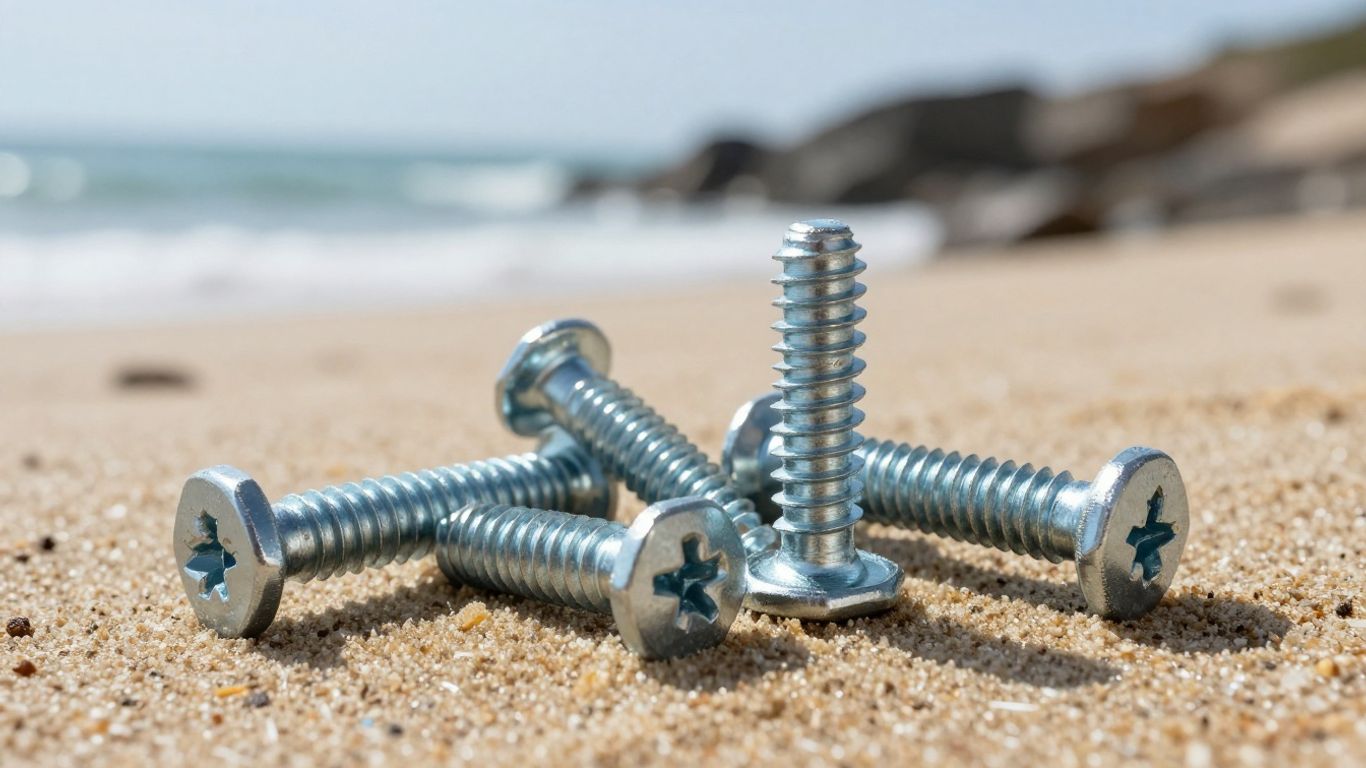
Even the best fasteners, whether they’re shiny stainless steel or robust galvanised steel, need a bit of looking after to make sure they do their job for as long as possible, especially when they’re out there battling the elements near the coast. It’s not just about picking the right type initially; how you install and care for them makes a big difference.
Proper Installation Techniques
Getting the installation right from the start is half the battle. It’s easy to rush this bit, but taking a moment to do it properly can save a lot of hassle down the line. For instance, when you’re screwing into timber, especially hardwoods, pre-drilling a pilot hole is a good idea. This stops the wood from splitting and reduces the strain on the fastener itself. Also, make sure you’re using the correct screwdriver bit for the job. If you keep slipping, you can damage the head, which not only looks untidy but can also expose the metal underneath to moisture. And don’t overtighten things – it can crack protective coatings or even damage the material you’re fixing into.
Protective Sealants and Coatings
Sometimes, even with the right fastener, you might want to add an extra layer of defence. Using sealants or a good quality caulk around the fastener head can help block moisture from getting in. Think of it like giving your fasteners a little raincoat. For areas that are particularly exposed, an anti-corrosion spray or a specialised lubricant can create a barrier against salt and damp. Some people even opt to paint over fasteners for an added bit of protection, though this is more common for aesthetic reasons than pure corrosion defence.
Regular Inspection and Maintenance
Looking after your fasteners doesn’t stop once they’re in. It’s a good habit to give any outdoor fixings a quick check now and then. See if anything’s come loose and needs tightening. If you spot any fasteners starting to show signs of rust or wear, it’s probably best to swap them out before they cause bigger problems. Keeping the surrounding surfaces clean is also helpful; dirt, salt spray, and general grime can trap moisture right where you don’t want it, accelerating corrosion. For those really exposed spots, reapplying a protective spray annually can really help reinforce their defence against the harsh coastal air.
The key to making your fasteners last is a combination of careful initial fitting and ongoing attention. It might seem like a bit of extra effort, but it’s a small price to pay for a secure and long-lasting project that won’t let you down when the sea air gets tough.
To make sure your fasteners last a long time, a little care goes a long way. Keeping them clean and dry stops rust from forming, and a quick check now and then can catch any problems early. For the best advice on looking after your fixings, visit our website.
So, What’s the Verdict?
Right then, after all that chat about rust and salt, it really boils down to where you’re building. If your project is right on the coast, constantly getting blasted by sea spray, you’ll want to splash out on A4 stainless steel (or even silicon bronze if you’re feeling fancy). It costs more upfront, sure, but it’ll save you a headache and a fortune in the long run by not corroding away. For anything a bit more sheltered, maybe a garden shed a few streets back from the beach, or even just general outdoor stuff that gets a bit damp now and then, A2 stainless steel is usually a solid choice. Galvanised steel? It’s okay for less exposed spots or if you’re really watching the pennies, but don’t expect it to last as long as stainless in our salty air. Basically, pick the right stuff for the job, and your project will thank you for it.
Frequently Asked Questions
What’s the main difference between stainless steel and galvanised screws for coastal areas?
Think of it like this: galvanised screws have a zinc coating that fights off rust, which is good for a while. But near the sea, the salty air can wear this coating away faster. Stainless steel, especially a type called A4, has special stuff mixed in that makes it much tougher against salt and water, so it lasts way longer in coastal spots.
Is stainless steel always better than galvanised screws?
Not always! Galvanised screws are cheaper and work fine for projects that aren’t right on the coast or don’t get much rain. If your project is in a sheltered spot or inland, galvanised might be all you need and save you some money. But for anything exposed to salty air or lots of wet, stainless steel is the smarter, longer-lasting choice.
What’s the deal with A2 and A4 stainless steel?
A2 stainless steel is like the everyday hero – good for most jobs, indoors or outdoors away from the sea. A4 stainless steel is the superhero for coastal and marine environments. It has extra ingredients that make it super strong against salt and water damage, so it’s the best pick for anything near the beach.
How can I tell if I have A2 or A4 stainless steel screws?
Visually, they look pretty much the same! That’s why it’s important to check the packaging or ask the supplier when you buy them. The label will usually say ‘A2’ or ‘A4’ (or sometimes ‘304’ for A2 and ‘316’ for A4). Getting the right one is key for making sure they last.
Can galvanised screws rust even if they have a coating?
Yes, they can. The zinc coating on galvanised screws is a barrier, but if it gets scratched, damaged, or is constantly exposed to harsh salty air or chemicals, it can eventually wear through. Once the steel underneath is exposed, it can start to rust. Stainless steel doesn’t rely on just a coating; its protection is built into the metal itself.
What’s more important: initial cost or long-term value?
That’s a big question! Galvanised screws cost less to buy at first. But if you’re near the coast, they might rust and need replacing sooner, costing you more in the long run. A4 stainless steel costs more upfront, but because it lasts so much longer and needs less fixing, it often works out cheaper and saves you hassle over the years.


