

Cornwall’s coastline is beautiful, but that salty air and sea spray really do a number on metal. For anyone working around the sea, from boat builders to those looking after coastal defences, choosing the right fasteners is a big deal. Regular bolts and screws just don’t cut it for long. That’s where specialist marine grade fasteners Cornwall has to offer come in. They’re built tough to handle the harsh conditions, meaning your projects last longer and stay safer.
Key Takeaways
- The salty air and sea in Cornwall are tough on standard metal fixings, causing them to rust and weaken quickly.
- Specialist fasteners made from materials like duplex and super duplex stainless steel are much better at resisting this salt corrosion.
- These advanced fasteners are vital for keeping offshore structures, boats, and coastal buildings in good condition.
- Picking the right marine grade fasteners Cornwall needs means looking at the specific material and making sure it meets the job’s demands.
- Using these high-quality fasteners saves money in the long run by cutting down on repairs and replacements, and keeps things safer too.
Understanding Salt Corrosion in Cornwall’s Coastal Environment
The Pervasive Threat of Saline Air
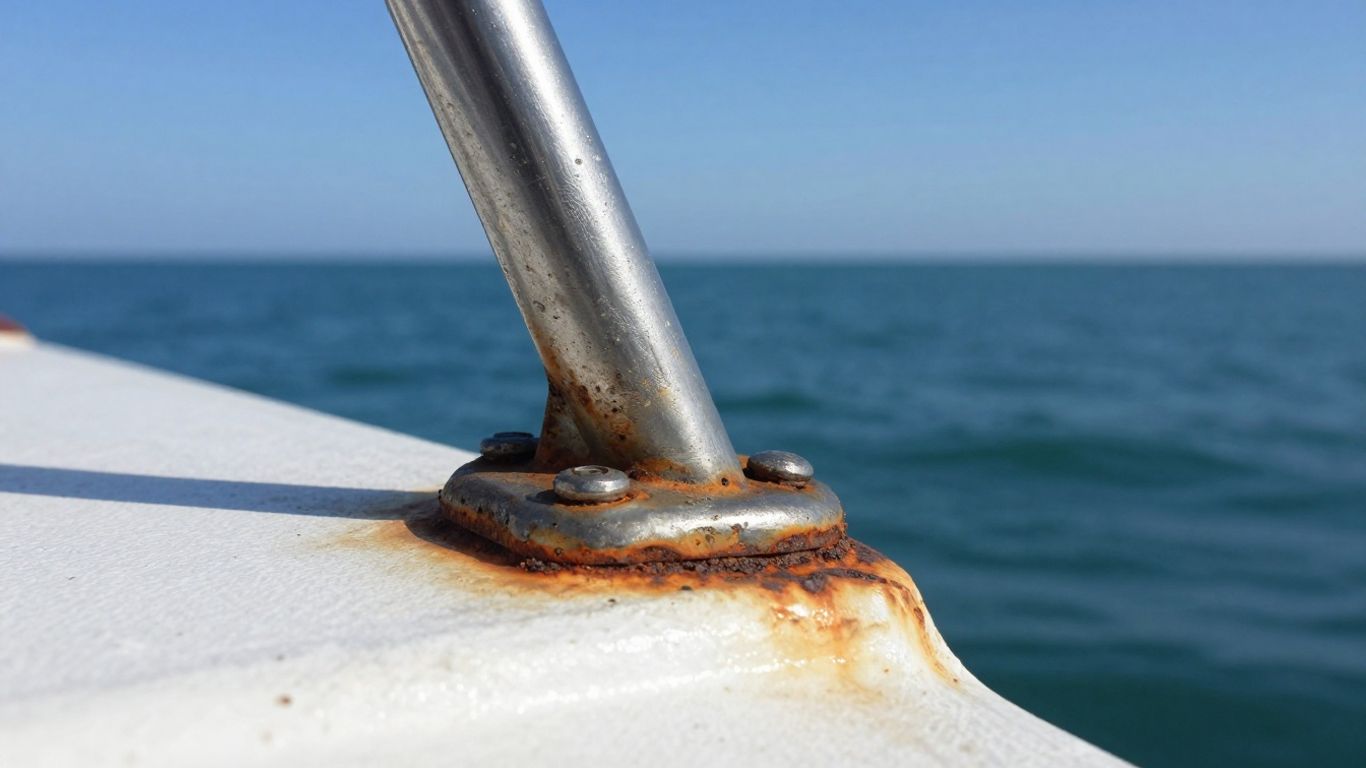
Living and working by the sea in Cornwall means you’re constantly up against a relentless foe: salt. It’s not just about the occasional splash from a wave; the air itself is thick with tiny salt particles, carried inland by the wind. This saline mist is a major problem for anything made of metal. Over time, it gets into every nook and cranny, starting a chemical reaction that we call corrosion, or rust, if we’re talking about iron and steel. This constant exposure means that standard materials just don’t cut it here. You see it everywhere – on cars, on buildings, and especially on anything involved in the maritime industry. It’s a persistent battle that requires specific defences.
Impact on Traditional Fasteners
Think about the nuts, bolts, screws, and rivets that hold things together. In a typical environment, they might last for years without much fuss. But here in Cornwall, that salty air is a different story. Traditional fasteners, especially those made from plain steel or even basic galvanised steel, start to degrade pretty quickly. The zinc coating on galvanised fasteners offers some protection, but once that wears away, the steel underneath is exposed and the corrosion process speeds up dramatically. You end up with weakened joints, unsightly rust stains, and the potential for complete failure. It’s a real headache for maintenance crews and property owners alike.
Why Cornwall Demands Superior Solutions
Cornwall’s unique position means we can’t just use off-the-shelf solutions for our maritime infrastructure, boats, or even coastal properties. The sheer intensity of the salt-laden atmosphere, combined with often damp conditions and strong winds, creates a perfect storm for corrosion. This means that the fasteners we use need to be tougher, more resilient, and specifically designed to withstand these harsh conditions. We need materials that can stand up to the salty onslaught year after year, keeping everything secure and structurally sound without constant, costly repairs. It’s about building things to last in a place where nature is always testing our limits.
Advanced Materials for Marine Grade Fasteners Cornwall
The Superiority of Duplex and Super Duplex Stainless Steels
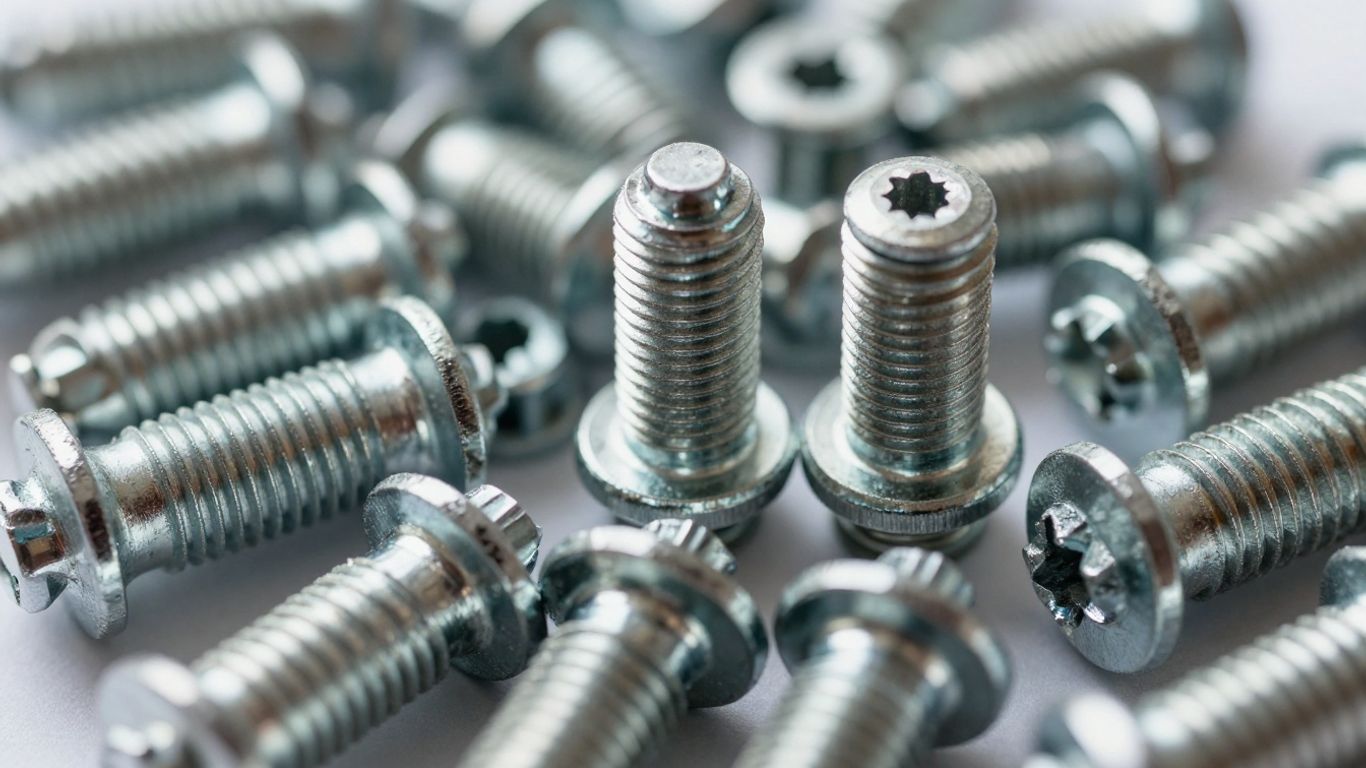
When you’re dealing with the salty air and constant dampness of Cornwall, standard fasteners just won’t cut it. That’s where duplex and super duplex stainless steels really shine. These aren’t your average bits of metal; they’re engineered for tough environments. Think of them as having a dual personality – a mix of austenite and ferrite, which gives them a real strength advantage over regular stainless steels. This makes them incredibly resistant to pitting and crevice corrosion, which are the big culprits in coastal areas. They offer a fantastic balance of strength and corrosion resistance, making them ideal for marine applications.
The Role of Molybdenum in Corrosion Resistance
Now, let’s talk about a secret weapon: molybdenum. You’ll find this element added to many high-performance stainless steels, and it makes a huge difference. Molybdenum is particularly good at helping the steel fight off crevice corrosion and pitting, especially in chloride-rich environments like the sea. Even small amounts can significantly boost a fastener’s ability to withstand the harsh conditions Cornwall throws at it. It’s like giving the metal an extra layer of armour against the relentless attack of salt.
Beyond Stainless: Other High-Performance Alloys
While duplex and super duplex stainless steels are top contenders, there are other advanced alloys worth considering for extreme marine conditions. For truly demanding situations, materials like titanium alloys or nickel-based alloys might be specified. These materials offer exceptional resistance to corrosion and can handle very high temperatures or pressures. However, they often come with a higher price tag and can be more challenging to work with. For most maritime applications in Cornwall, the duplex and super duplex grades provide the best mix of performance and practicality.
Specialist Fastener Applications in Maritime Cornwall
When you’re dealing with the sea, especially around Cornwall, the right fasteners aren’t just a small detail; they’re pretty much everything. The constant salt spray and damp air are brutal on metal, and using the wrong bits and bobs can lead to serious problems down the line. We’re talking about everything from big offshore wind farms to the boats bobbing in the harbour, and even the buildings right on the coast.
Securing Offshore Structures and Platforms
Think about those massive structures out at sea, like oil rigs or wind turbine foundations. They face some of the harshest conditions imaginable. We’re talking about relentless waves, strong winds, and that ever-present salty atmosphere. Standard fasteners just wouldn’t cut it for long. That’s why you’ll find specialist fasteners, often made from super duplex stainless steel, being used here. These materials are chosen because they can handle the extreme corrosion and stress without giving up. The longevity and safety of these vital offshore assets depend heavily on the integrity of every single bolt and nut.
Fasteners for Marine Vessels and Port Infrastructure
Down at the docks and on the boats themselves, it’s a similar story. Ships, ferries, and even smaller fishing boats are constantly exposed to saltwater. Ports and marinas have jetties, pontoons, and all sorts of equipment that need to withstand the marine environment. Using fasteners that can resist corrosion means less time spent on repairs and replacements. It also means the structures and vessels are safer to use. We’re looking at things like:
- Bolts and nuts for hull plating
- Fasteners for deck fittings and railings
- Fixings for mooring equipment
- Components for cranes and loading gear
The choice of fastener material here is critical. It’s not just about stopping rust; it’s about maintaining the structural integrity of the entire vessel or port facility over many years of hard use.
Protecting Coastal Buildings and Defences
It’s not just the big maritime operations that need protection. Buildings along the Cornish coast, from homes to hotels and even sea defences like sea walls, are also under attack from the salty air. Using the correct, corrosion-resistant fasteners in construction and maintenance makes a huge difference. It stops unsightly rust stains and, more importantly, prevents structural weakening. This is especially true for any metalwork exposed to the elements, like balconies, window frames, and cladding fixings. Choosing the right fasteners means these structures can stand up to the coastal weather for much longer, saving money and hassle in the long run.
Selecting the Right Marine Grade Fasteners Cornwall
Right then, picking the correct fasteners for Cornwall’s salty air is a bit like choosing the right boots for a hike – you wouldn’t wear flip-flops up a muddy hill, would you? It’s all about matching the job to the gear. For our coastal environment, standard bits and bobs just won’t cut it. We need fasteners that can stand up to the constant battering from sea spray and salt-laden winds.
Key Considerations for Durability and Longevity
When you’re looking at fasteners for anything near the sea, a few things really jump out. First off, you’ve got to think about how long you want it to last. Are we talking a quick fix, or something that needs to hold strong for decades? Then there’s the actual environment it’ll be in. Is it constantly soaked, or just getting a bit of sea mist now and then? And don’t forget about the load it needs to bear. A fence post needs different support than a beam on a boat.
- Corrosion Resistance: This is the big one. How well does it fight off rust and degradation from salt?
- Mechanical Strength: Can it handle the stresses and strains it will be put under?
- Environmental Impact: Is the material itself sustainable, and will it last without needing frequent replacement?
- Installation Ease: Can it be fitted without special tools or excessive effort?
Understanding Material Grades and Specifications
This is where things can get a bit technical, but it’s important. You’ll see numbers and letters on fastener specs, and they actually mean something. For marine applications in Cornwall, you’re generally looking at specific types of stainless steel. Think of it like different grades of steel for different jobs – some are tougher, some are more resistant to rust.
| Material Type | Common Grades | Key Benefits |
|---|---|---|
| Duplex Stainless Steel | 2205 | Good strength, good corrosion resistance |
| Super Duplex Stainless Steel | 2507, 2707 HD | Very high strength, excellent corrosion resistance |
| High-Nickel Alloys (e.g. Inconel) | 625, 718 | Superior performance in extreme conditions |
Don’t just grab any ‘stainless steel’ bolt; check the grade. A standard 304 might seem okay, but it’s not designed for the harshness of our coastline.
Partnering with Specialist Suppliers
Honestly, trying to figure all this out on your own can be a headache. That’s why finding a supplier who actually knows their stuff is a smart move. They’ll have the right materials in stock and can give you advice based on what you’re actually trying to build or fix. They understand the local conditions and can point you towards fasteners that won’t let you down when the sea wind really picks up.
Choosing the right fastener isn’t just about buying a piece of metal; it’s about investing in the longevity and safety of your project. Cutting corners here can lead to much bigger, more expensive problems down the line, especially with the relentless coastal weather.
The Long-Term Benefits of Corrosion-Resistant Fasteners
So, you’ve heard about all the fancy materials and why they’re needed for Cornwall’s coast. But what does that actually mean for you, day-to-day? Well, using the right fasteners, like those made from duplex or super duplex stainless steel, isn’t just about ticking a box. It’s about saving yourself a whole lot of hassle and money down the line. Think of it as an investment that pays you back over time.
Reducing Maintenance and Replacement Costs
This is the big one, isn’t it? When you use fasteners that can stand up to the salty air and damp conditions, they just don’t break down as quickly. Traditional steel bolts? They rust, they weaken, and before you know it, you’re looking at repairs. That means scaffolding, labour, new parts – it all adds up. With corrosion-resistant fasteners, you’re looking at significantly less of that. We’re talking about structures and equipment that stay in good working order for much, much longer without needing constant attention.
Enhancing Structural Integrity and Safety
It’s not just about saving money; it’s about keeping things safe. Weakened fasteners can compromise the whole structure they’re holding together. Imagine a critical piece of port machinery failing, or a section of a coastal defence crumbling because a bolt gave way. Using materials that resist corrosion means the integrity of your structures is maintained. This is especially important in environments where the consequences of failure could be severe, like busy harbours or offshore platforms. It gives you peace of mind, knowing that the connections are sound.
Supporting Sustainable Maritime Operations
Using durable, long-lasting materials is actually a greener choice. When you don’t have to replace parts as often, you’re reducing waste. Less manufacturing means less energy used and fewer resources consumed. Plus, by preventing leaks in water systems or ensuring offshore platforms operate reliably for longer, you’re contributing to more efficient and sustainable practices overall. It’s about building things that last, which is good for the environment and good for business in the long run.
Here’s a quick look at what you can expect:
- Reduced frequency of inspections: Less need to check for rust and wear.
- Lower labour costs: Fewer repair jobs mean less time and money spent on maintenance crews.
- Extended asset lifespan: Structures and equipment last longer, delaying costly replacements.
- Minimized downtime: Less chance of unexpected failures halting operations.
Choosing the right fasteners might seem like a small detail, but in a challenging environment like Cornwall’s coast, it makes a massive difference to the longevity and reliability of everything you build or maintain. It’s about smart choices now for a more stable future.
Choosing the right fasteners for your projects can save you a lot of trouble down the road. Using ones that resist rust and wear means they’ll last much longer, keeping things secure and looking good. This saves you money and effort in the long run. For a wide selection of these durable fasteners, check out our website today!
The Takeaway: Stronger Fixings for Cornwall’s Coast
So, when you’re dealing with all that salty air and sea spray here in Cornwall, especially in the maritime world, the right fasteners really do make a difference. We’ve seen how standard bits and bobs just don’t cut it against the constant battle with corrosion. Opting for specialist stainless steel fixings, like the super duplex types we’ve talked about, isn’t just about spending more money. It’s about making sure your boats, your piers, and your equipment last longer, stay safer, and avoid those costly repairs down the line. It’s a smart move for anyone working by the sea, really. Think of it as an investment in keeping things shipshape, no matter what the weather throws at you.
Frequently Asked Questions
Why is Cornwall so prone to salt corrosion?
Cornwall’s location right by the sea means that salty air is everywhere. This salty mist and sea spray constantly land on metal parts, causing them to rust and weaken over time. It’s like leaving your bike out in the rain, but with salt!
What makes special fasteners better for the coast?
Regular screws and bolts can’t handle the salty environment for long. Special fasteners are made from tougher materials, like special types of stainless steel, that are much better at fighting off rust and corrosion. They’re built to last in tough seaside conditions.
What are ‘Duplex’ and ‘Super Duplex’ stainless steels?
Think of them as super-powered stainless steels. They have a special structure that makes them really strong and excellent at resisting rust, even when constantly exposed to salt and water. They’re a top choice for anything near the sea.
What is Molybdenum and why is it important?
Molybdenum is a special ingredient added to some steels to make them even stronger against corrosion. It’s like giving the steel an extra shield, especially against salty attacks. This helps fasteners last much, much longer.
Where are these special fasteners used in Cornwall’s maritime industry?
You’ll find them everywhere from big offshore wind farms and boats to piers, harbours, and even buildings right on the coast. Anywhere that needs to be strong and safe by the sea will benefit from these tough fasteners.
How do these advanced fasteners save money in the long run?
While they might cost a bit more to buy at first, these special fasteners last much longer. This means you won’t have to keep replacing them as often. Less repairs and replacements mean less money spent and less hassle over time.


