

Working with power tools in UK workshops means you really need to know your stuff when it comes to keeping things safe. It’s not just about getting the job done; it’s about making sure everyone goes home in one piece. This means understanding the rules, keeping your gear in tip-top shape, and knowing the risks involved. We’ll cover the basics of power tool maintenance standards in the UK, so you can keep your workshop running smoothly and safely.
Key Takeaways
- Always do a quick check of your power tools before you start using them. Look for any obvious damage to cables, plugs, or the tool itself.
- Make sure you’re using the right tool and the right bit or attachment for the job. Using the wrong one can be dangerous and mess up your work.
- Keep your tools clean and sharp. Dull or dirty tools don’t work as well and can be more hazardous.
- Regular servicing is important, just like the manufacturer suggests. And don’t forget about PAT testing for electrical tools to make sure they’re safe.
- If a tool is damaged or not working right, stop using it straight away. Get it fixed by someone who knows what they’re doing, or get rid of it.
Ensuring Safe Power Tool Operation In UK Workshops
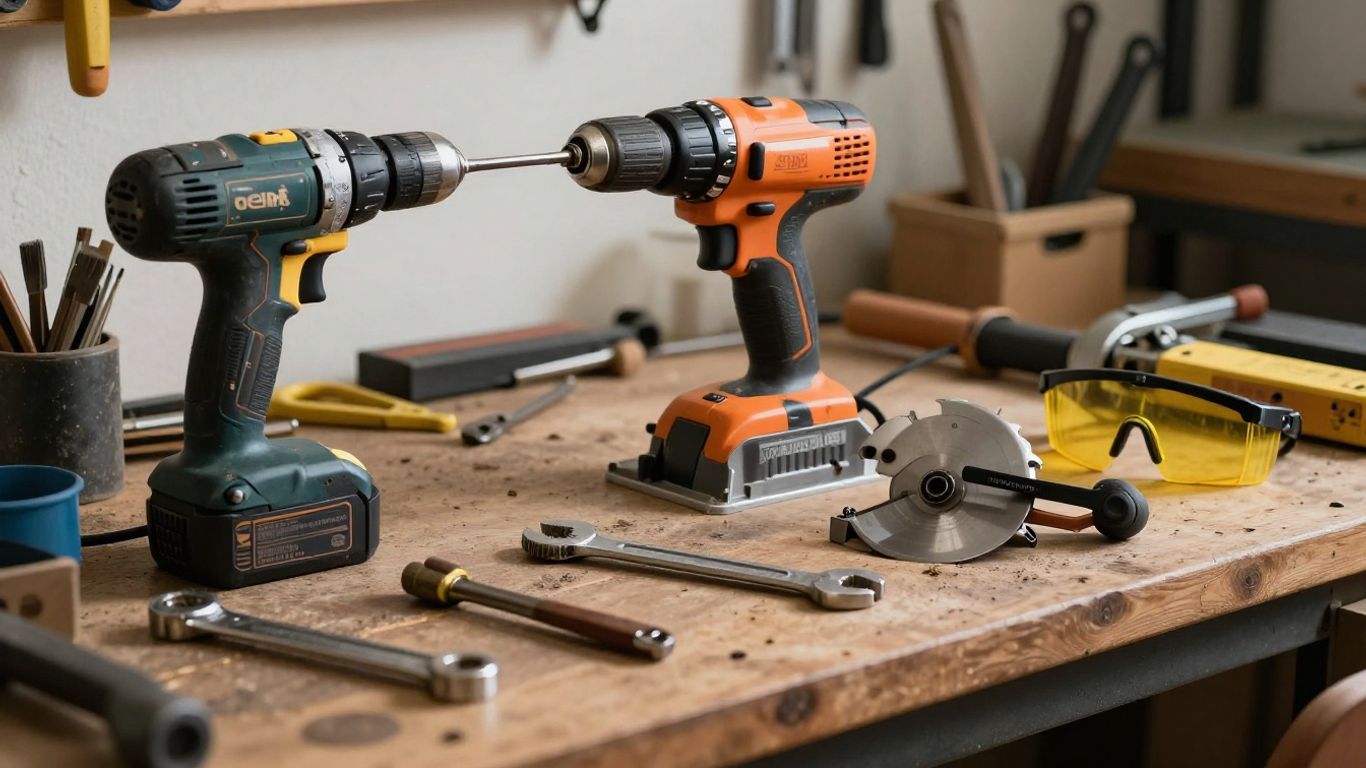
Getting power tools right from the start is a big part of keeping everyone safe in the workshop. It’s not just about having the right gear; it’s about knowing how to use it properly and making sure it’s in good nick before you even switch it on. A few minutes spent on checks can save a lot of trouble later.
Pre-Use Inspections And Visual Checks
Before you even think about powering up, give your tools a good once-over. This isn’t a deep service, just a quick look to spot anything obviously wrong. Think of it like checking your car before a long drive – you want to know if anything looks out of place.
- Cables and Plugs: Are they frayed, cut, or damaged in any way? Is the plug intact, or are any pins bent or broken?
- Body of the Tool: Look for cracks, missing parts, or anything that seems loose. Does the casing feel solid?
- Guards and Shields: Are they all in place and securely fitted? They’re there for a reason, so don’t ever remove them.
- Switches: Do they feel right? Do they move freely and click into position properly? A sticky or faulty switch is a real hazard.
If you spot any issues, don’t just ignore them. Take the tool out of service straight away and get it sorted. It’s better to be safe than sorry.
Understanding Tool Suitability And Attachments
Using the wrong tool for the job is a common mistake that can lead to accidents. It’s not just about picking up the first drill you see; you need to consider what you’re actually trying to do.
- Task Appropriateness: Is this drill powerful enough for the material? Is this saw blade the right type for cutting wood, metal, or plastic?
- Attachment Compatibility: Make sure any bits, blades, or discs you’re using are designed for that specific tool and are fitted correctly. Using a disc that’s too fast or too slow for the tool can cause it to shatter.
- Manufacturer’s Instructions: Always check the manual. It will tell you what attachments are safe to use and what speeds are appropriate.
Don’t try to force a tool to do something it wasn’t designed for. It’s a recipe for disaster and can damage both the tool and the workpiece, not to mention potentially causing injury.
Maintaining Sharpness And Cleanliness Of Cutting Tools
For anything that cuts – saws, drills, routers, planers – keeping the cutting edges sharp and clean is really important. It might seem like a minor detail, but it makes a big difference.
- Sharpness: Dull blades or bits don’t cut cleanly. They tend to ‘grab’ or ‘skid’, which means you have to apply more force. This increases the risk of the tool slipping and causing an injury. Sharp tools cut more easily and with less effort.
- Cleanliness: Sawdust, resin, or other debris can build up on cutting edges. This not only makes the tool less effective but can also cause overheating and damage to the tool and the material you’re working on.
- Regular Sharpening/Replacement: Have a schedule for sharpening or replacing cutting tools. For some tools, this might be after a certain amount of use; for others, it might be when you notice a drop in performance.
Keeping cutting edges in good condition means the tool does the work, not you. It makes the job easier, safer, and the finish on your work will be much better too.
Remember, these initial checks and practices are the first line of defence. They set the tone for how tools are used and maintained throughout their working life in your workshop.
Implementing Regular Power Tool Maintenance Standards UK
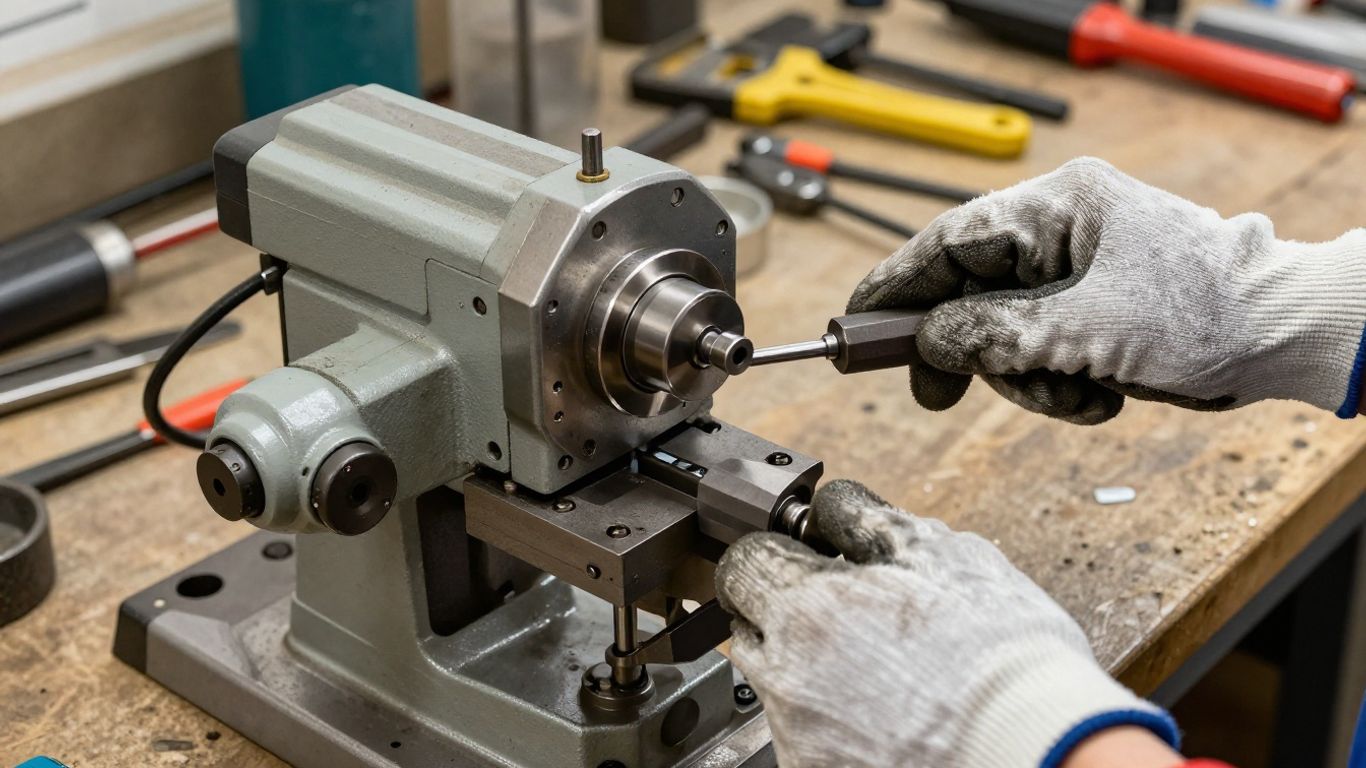
Keeping your power tools in good nick isn’t just about making them last longer, though that’s a nice bonus. It’s a big part of making sure everyone in the workshop stays safe. Think of it like this: a well-maintained tool is a predictable tool, and predictable tools are less likely to do something unexpected and dangerous.
Scheduled Servicing and Manufacturer Guidelines
Most tools come with a manual, and while they can be a bit dry, they’re packed with important info. Manufacturers usually suggest how often you should get your tools serviced and what specific checks to do. It’s not just about plugging them in and hoping for the best. Following these guidelines means you’re keeping up with what the people who actually made the tool recommend. This often involves things like checking for wear and tear on moving parts, cleaning out dust and debris, and making sure lubrication is topped up. Regular, planned maintenance, carried out by someone who knows what they’re doing, is key.
The Role of PAT Testing in Electrical Safety
For anything that plugs into the mains, Portable Appliance Testing (PAT) is a really good idea. While it’s not always a strict legal requirement for every single tool in every situation, it’s a solid way to prove you’re looking after your electrical equipment. PAT testing checks for faults in the wiring, plugs, and the appliance itself. It helps catch potential electric shocks or fires before they happen. It’s a bit like an MOT for your tools, giving you peace of mind that the electrical side of things is safe.
Addressing Damaged Parts and Defective Switches
This is where you really need to be switched on. Before you even pick up a tool, give it a quick once-over. Look for anything obviously wrong – a frayed cable, a cracked casing, a loose part. If you find something, don’t just ignore it or try to fix it with tape. If a switch feels dodgy, or doesn’t turn the tool on or off properly, that’s a big red flag. Damaged parts or faulty switches need to be sorted out by a qualified person straight away. Using a tool with a known defect is just asking for trouble.
It’s easy to get caught up in the job and just want to get on with it, but taking a few minutes to check your tools can prevent a lot of hassle and potential injury down the line. A quick visual inspection before each use, combined with a proper maintenance schedule, makes a world of difference.
Electrical Safety For Power Tools In The UK
When you’re working with power tools, especially those that plug into the mains, keeping a close eye on electrical safety is a big deal. It’s not just about avoiding a nasty shock; it’s about preventing fires and making sure your equipment doesn’t let you down at a critical moment. The UK has specific rules to keep you safe, and understanding them is part of the job.
Compliance With Electricity At Work Regulations
The Electricity at Work Regulations 1989 are pretty clear: all electrical systems and equipment you use must be safe. This means regular checks and maintenance. Think of it like this: if a cable’s frayed or a plug looks dodgy, you wouldn’t use it, right? The same applies to power tools. You need to be sure that the electricity flowing through them is doing so safely. This involves looking out for any signs of damage, like worn insulation on cords or damaged casings. Regular visual inspections before each use are your first line of defence.
Using Residual Current Devices (RCDs)
An RCD is a bit like an electrical watchdog. It’s designed to cut off the power very quickly if it detects an imbalance, which usually means electricity is escaping somewhere it shouldn’t – like through a person! While they aren’t a magic bullet and shouldn’t be relied on solely, they add a significant layer of protection, especially in damp conditions or when using tools outdoors. You can get them built into your main fuse box, or use plug-in adaptors for extra safety on individual tools. It’s a smart move to use them whenever possible.
Suitability For The Electrical Supply
This one sounds simple, but it’s often overlooked. You need to make sure the tool you’re using is actually compatible with the power supply you’ve got. Check the voltage rating on the tool and compare it to your workshop’s supply. Also, consider the current draw; a powerful tool needs a supply that can handle it without overloading. Using a tool that’s not suited for the supply can lead to overheating, damage, or even a fire. Always check the tool’s rating plate – it’s there for a reason!
Protecting Workshop Staff From Power Tool Hazards
Keeping your team safe when they’re using power tools is a big deal. It’s not just about following rules; it’s about making sure everyone goes home in one piece at the end of the day. Accidents happen, sure, but a lot of them are preventable with the right approach.
Personal Protective Equipment (PPE) Requirements
First off, everyone needs the right gear. This isn’t optional. We’re talking about things like safety glasses or goggles to protect eyes from flying debris, sturdy gloves to get a good grip and prevent cuts, and steel-toed boots for foot protection. Depending on the job, you might also need hearing protection, especially with noisy tools like grinders or impact drills. And don’t forget about respiratory protection – if a tool kicks up a lot of dust, a good mask is a must. It’s the employer’s job to provide this PPE, and it needs to be the right kind for the task and fit properly. Staff should also be shown how to check their PPE before each use to make sure it’s in good nick.
Safety Guards And Enclosures
Most power tools come with safety guards for a reason. They’re there to stop your hands, clothing, or hair from getting caught in moving parts. It sounds obvious, but you’d be surprised how many people think removing a guard makes a job easier. It doesn’t; it just makes it a lot more dangerous. Guards should always be in place and working correctly. If a guard is damaged or missing, the tool shouldn’t be used until it’s fixed by someone qualified. Think of them as non-negotiable shields.
Minimising Vibration And Noise Exposure
Some tools are just plain loud and shake a lot. Prolonged exposure to high noise levels can lead to permanent hearing loss, and constant vibration can cause issues like Hand-Arm Vibration Syndrome. When choosing tools, look for models that have better vibration dampening. For noise, hearing protection is key, as mentioned before. It’s also a good idea to limit the time any one person spends using particularly noisy or high-vibration tools. Rotating tasks or taking breaks can make a big difference.
Here’s a quick look at some noise exposure limits:
| Exposure Level | Action Required |
|---|---|
| 85 dB(A) | Hearing protection recommended |
| 87 dB(A) | Legal Exposure Limit Value (ELV) – Never exceed |
| 140 dB(C) | Impulse noise limit – Never exceed |
Remember, PPE is the last line of defence. Always try to reduce noise and vibration at the source first, through tool selection and work practices, before relying solely on personal protective equipment.
Legal Compliance For Power Tool Usage In The UK
Right then, let’s talk about the paperwork and rules surrounding power tools in the UK. It’s not the most exciting part of the job, I know, but it’s really important to get it sorted. Ignoring the legal side of things can land you in a heap of trouble, from hefty fines to even more serious consequences if something goes wrong.
Understanding PUWER 1998 Requirements
First up, we’ve got the Provision and Use of Work Equipment Regulations 1998, or PUWER for short. This is a big one. Basically, it says that any equipment you use for work, including all your power tools, has to be suitable for the job, kept in good condition, and used safely. This means:
- Suitability: Is the tool actually designed for the task you’re doing? Using a small drill for heavy-duty masonry work, for instance, is a no-go.
- Maintenance: Tools need regular checks and servicing. We’re talking about making sure guards are in place, switches work properly, and there are no dodgy cables.
- Safe Use: People using the tools need to know how to operate them safely. This often means getting the right training.
If you don’t follow PUWER, the Health and Safety Executive (HSE) can step in. They might issue a prohibition notice, which means you have to stop using the equipment immediately. You could also face prosecution, fines, or even prison time if things are really bad. Plus, your insurance might not cover you if you haven’t met your legal obligations.
Employer’s Duty of Care Under The Health And Safety At Work Act
Then there’s the Health and Safety at Work etc. Act 1974. This is the overarching law that places a general duty on employers to look after the health, safety, and welfare of their employees, and also members of the public who might be affected by their work. When it comes to power tools, this means:
- Risk Assessments: You need to figure out what could go wrong when using power tools and put measures in place to stop it.
- Information and Training: Staff need to be told about the risks and shown how to use tools safely.
- Safe Systems of Work: This includes things like having proper procedures for using tools, maintaining them, and storing them.
It’s all about making sure that the workplace is as safe as it can reasonably be. This duty of care extends to providing the right Personal Protective Equipment (PPE), like safety glasses and ear defenders, and making sure they’re actually used.
Regulations For Young Persons Operating Power Tools
Now, if you’ve got younger workers, say 16 or 17-year-olds, in your workshop, there are extra rules to consider. While they can use power tools, especially as part of an apprenticeship, it’s not a free-for-all. The Management of Health and Safety at Work Regulations 1999 and the Health and Safety (Young Persons) Regulations 1997 come into play here. The key points are:
- Risk Assessment is Paramount: A really thorough risk assessment must be done before a young person uses any power tool.
- Necessity: They should only use tools if it’s absolutely necessary for their training.
- Supervision: They must always be supervised by someone competent and experienced.
It’s about making sure they get the training they need without being put in unnecessary danger. Retailers also have rules about who can buy certain types of power tools, generally requiring customers to be 18 or over for tools with cutting blades or nail guns, for example.
Maintaining A Safe Workshop Environment
Right then, let’s talk about keeping your workshop a decent place to be when you’re wrestling with power tools. It’s not just about the tools themselves, but the whole area you’re working in. A tidy, well-organised space makes a massive difference to safety, honestly.
Keeping Work Areas Clean and Clutter-Free
This is a big one. You know how it is – tools left lying around, offcuts piling up, bits of wire everywhere. It’s a recipe for tripping, slipping, or just generally not being able to move properly. A clear floor and workbench means you can focus on the job without worrying about stubbing your toe or knocking something over. Think about it: if you’re trying to manoeuvre a large piece of timber with a saw, and there’s a pile of scrap wood in the way, it’s going to be a struggle. It’s worth taking a few minutes at the end of each session, or even during, to just tidy up. Sweep up sawdust, put tools back where they belong, and get rid of any waste materials. It really does make a difference.
Proper Storage of Idle Tools
When a tool isn’t in use, it shouldn’t just be left wherever. Leaving tools lying around, especially sharp or heavy ones, is a hazard. They can get damaged, or worse, someone could accidentally pick them up and get hurt. Ideally, tools should be stored in a dry place, maybe on a dedicated rack or in a toolbox. If you’ve got kids or pets wandering about, then locking them away is a good idea too. It keeps them safe and also protects your tools from dust and damp.
Considering Environmental Factors During Operation
This bit is about the bigger picture of your workshop’s environment. Are you working in a place that’s too hot or too cold? If your hands are freezing, you’re not going to have the best control over a tool. Likewise, if it’s sweltering, you’ll get tired quicker. Good lighting is also a must. You need to see what you’re doing properly, especially when dealing with moving parts or making precise cuts. And, of course, if you’re using anything that produces dust, like sanders or routers, think about dust extraction. Breathing in fine particles isn’t good for anyone long-term. It’s all about making the space work for you, safely.
A cluttered workshop isn’t just messy; it’s a hidden danger. Every stray object, every unfiled tool, represents a potential trip hazard or an obstacle that could lead to an accident. Prioritising a clean and organised workspace is a proactive step towards preventing injuries and ensuring smooth, efficient work.
Here’s a quick checklist for your workshop environment:
- Floors: Keep them clear of debris, spills, and trailing cables.
- Workbenches: Organise tools and materials, leaving ample space for the task.
- Lighting: Ensure adequate illumination in all work areas.
- Ventilation: Provide good airflow, especially when dust or fumes are produced.
- Temperature: Aim for a comfortable working temperature to maintain alertness and dexterity.
Keeping your workshop safe is super important. Make sure everything is tidy and clear to avoid any accidents. Good lighting and organised tools help a lot. For more tips on creating a secure workspace, check out our website!
Wrapping Up: Keeping Your Workshop Safe
So, there you have it. Keeping your power tools in good nick isn’t just about making them last longer, though that’s a nice bonus. It’s really about making sure everyone goes home in one piece at the end of the day. Regular checks, proper training, and using the right gear for the job are the simple steps that make a big difference. Don’t cut corners on safety; it’s just not worth the risk. Stick to the rules, keep your tools maintained, and you’ll have a much safer and more productive workshop.
Frequently Asked Questions
What should I do before using a power tool for the first time each day?
Before you start using any power tool, give it a quick once-over. Check for any obvious damage like frayed cables, cracked casings, or loose parts. Make sure all the safety guards are in place and working correctly. If anything looks dodgy, don’t use it – get it checked or repaired first!
How often do power tools need to be serviced?
It’s best to follow the manufacturer’s advice for servicing. Generally, tools should have regular, planned maintenance. This is often best done by someone qualified, like an electrician, to make sure everything is in tip-top shape and safe to use.
Is PAT testing really necessary for power tools?
While it’s not a strict legal rule to have every single item PAT tested, it’s a really good way to prove you’re keeping your electrical tools safe. It helps show you’re doing your bit to maintain equipment, which is a legal requirement anyway. Think of it as a helpful check-up!
What kind of safety gear do I need when using power tools?
You’ll need to wear the right Personal Protective Equipment (PPE). This usually includes safety glasses or goggles to protect your eyes, ear defenders to save your hearing from loud noises, and sturdy gloves. Depending on the tool and task, you might also need a dust mask or steel-toed boots.
What are the rules about using power tools in damp or wet conditions?
Using power tools in wet or damp places is riskier because of electric shock. It’s a good idea to use tools that are battery-powered or air-powered if possible. If you have to use corded tools, always plug them into a Residual Current Device (RCD) for extra protection. Make sure your extension cords are suitable for outdoor or damp use too.
Can young people use power tools at work?
Yes, but there are strict rules. If someone is 16 or 17, they might be allowed to use power tools, especially if they’re training. However, the employer must do a full risk assessment to make sure it’s safe and that the young person is always supervised by someone experienced and competent.


